Archery
Spotlight on bows and archery: inside the global archery market
From Olympic recurve to bowhunting and crossbows, the global archery market rewards brands and retailers that can fit, service and support what they sell.
North America remains the commercial centre for compound bows, bowhunting and crossbows, supported by specialist dealers and wildlife agencies. Europe has a strong target-archery base, important makers of bows and components, and active traditional and field disciplines. Asia is central to elite recurve production and competition, while other markets depend on range access, hunting rules and distribution.
This is not one product category or buying cycle. A target archer may replace strings, arrows or a sight before changing a riser; a bowhunter may buy shortly before the season; and a first-time customer needs a route into safe, repeat participation. Fitting, coaching links, stock depth and service matter as much as headline speed or price.
A bow for every discipline
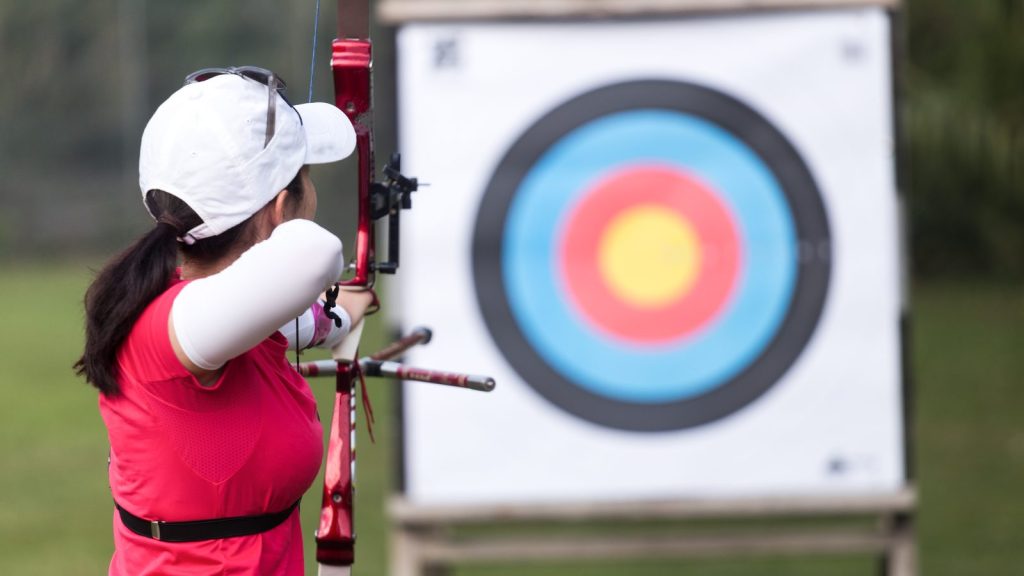
Recurve remains archery’s most recognisable platform through its Olympic status and its accessibility at club level. Takedown systems let beginners progress through limbs while retaining a riser, creating a route from introductory equipment to serious competition. At the top end, riser geometry, limb construction, tuning adjustment and the interaction of sight, stabilisers and arrows determine the feel of a complete set-up.
Compound bows occupy a different but equally specialised space. Cams, cables and let-off allow a relatively low holding weight at full draw, but reward careful set-up. Target models favour stability and repeatability; hunting models prioritise manoeuvrability, quietness and useful speed. The compound mixed team event has been confirmed for Los Angeles 2028, giving the discipline a new international shop window.
Traditional bows, barebow equipment and field archery remain important because they offer a distinct experience, not simply an entry point. Longbows, flatbows and horsebows have strong heritage appeal, while barebow competition drives demand for adjustable risers without sights. Crossbows are primarily linked to hunting in North America and selected European countries, where legality, seasons and transport rules vary.
Innovation is measured in feel and fit
Modern bow development is more refined than revolutionary. Compound manufacturers are pursuing smoother draw cycles, tuning range, quietness and better balance rather than speed alone. In recurves, carbon limbs, machined risers and precise alignment systems bring elite-style adjustment into a wider price range. Small specification changes matter when an archer shoots hundreds of arrows in practice or competition.
The arrow is increasingly treated as part of the system, not an accessory. Spine, point weight, shaft diameter, vane choice and nock fit all affect tune and consistency. This rewards retailers that can cut, build and match arrows properly, but makes casual online substitution risky. A bow that shoots well in the shop may perform poorly with arrows chosen only by price or draw weight.
Digital tools are moving further into the workshop. Chronographs, draw-board measurements, paper tuning and video analysis help technicians diagnose a set-up, while electronic sight systems and rangefinding technology are emerging in hunting. Equipment must still comply with the rules of its discipline and be configured for the archer. Technology that reduces guesswork is valuable; complexity without support is not.
Carbon shafts, composites and machined aluminium deliver performance, but carry a cost and raise questions about repairability and product life. Strong makers are judged not only on launch models but on limbs, modules, strings, cables, parts and technical information. Long-term support protects the customer’s investment and lets dealers recommend a system with confidence.
Safety standards and local rules shape design and sales. Draw weights, broadhead use, crossbow legality and target-range requirements differ internationally, while organised competition has detailed equipment rules. Retailers must distinguish recreational, target and hunting specifications and should not treat one market’s technical assumptions as universal. Clear documentation, safe set-up and honest advice on intended use remain essential.
The buyer wants confidence, not complexity
The archery customer may arrive after watching launches, tournament coverage and reviews, but fitting cannot be reduced to a web specification. Draw length, anchor point, dominant eye, physical comfort and intended use all affect the recommendation. A good shop can turn an intimidating first purchase into repeat business by explaining options, setting the bow safely and giving the archer a route to improve.
Customers budget for the whole kit. A bow is only the starting point once arrows, sight, rest, release aid, stabilisers, case and servicing are included. Package bows and starter kits simplify the decision, but work best when the retailer explains the upgrade path. A well-matched mid-price bow and arrows may serve a competitor better than a flagship bow with compromised accessories.
Value also means availability. Strings and cables wear; arrows are consumable; and a damaged cam, limb or sight can stop a season. Customers notice whether a brand offers parts, clear technical guidance and realistic lead times. This matters in regions with thin distribution, where an international return can quickly cost more than a repair.
For specialist retailers, technical service is a commercial differentiator. Draw-length adjustment, peep installation, bow pressing, centre-shot work and arrow building require training and equipment. The Archery Trade Association’s (ATA) bow-technician certification reflects that role. Its 2026 show combined trade business with a consumer supershow and competition, bringing buyers into contact with products while directing them to local dealers for service.
Market outlook
The market enters the later part of 2026 needing disciplined product planning. Its mature categories, seasonal demand and regular launches reward products tied to a clear activity: a first club course, indoor league, field round, target season or hunting trip. World Archery’s 2024-25 membership survey and development work underline the sport’s international reach, while identifying equipment access as a barrier in some markets.
Participation remains the foundation of the trade. Archery GB reported more than 34,000 members in its 2023-24 update, and its national competitions recorded 2,359 entries across Archery GB-hosted events in 2024. Those figures do not measure the whole recreational market, but show the importance of clubs, coaches and events in maintaining a customer pathway. New archers need a place to shoot as well as a bow to buy.
In the United States, the ATA is adapting to a market in which product advances are more incremental and makers increasingly release bows outside one trade-show calendar. Its 2026 event added a public Archery and Bowhunting Supershow to the members-only trade show and national tournaments. Hands-on demonstration can create demand, but the local shop remains the practical place for fitting, service and repeat sales.
Growth will differ by category. Recurve and barebow benefit from club and competition pathways; compound target archery has an Olympic catalyst ahead of Los Angeles 2028; traditional equipment trades on heritage and simplicity; and crossbows depend heavily on hunting regulation and land access. Suppliers that understand the purpose behind a purchase will avoid selling every archer the same high-specification solution.
The middle of the market is likely to remain competitive. Premium equipment must demonstrate a gain in tuneability, durability, weight or shooting feel, while entry packages must be safe, complete and easy to support. Cosmetic changes invite discounting; compatible components, available parts and straightforward set-up give retailers and customers a stronger reason to stay loyal.
International opportunity depends on distribution and education as much as engineering. Stocking a bow is not enough if its limbs, cams, modules, strings or arrows cannot be supplied quickly, or if the local trade lacks the tools to support it. The strongest businesses will pair considered ranges with trained technicians, clubs and ranges that welcome newcomers, and service that keeps archers shooting after the first sale.
Related articles
Spotlight on rifles: inside the global rifle market – Last issue’s market spotlight, on the international rifle trade.
Meet the VLAD, Ek Archery’s new subcompact crossbow – A compact crossbow from the Netherlands-based maker.
Ek Archery’s development of crossbows for women – How EK Archery set out to design crossbows for women.
TenPoint Crossbows promotes Phil Bednar to president & CEO and Steve Bednar to executive vice president & COO – Leadership changes at the US crossbow maker.