Doing business with Northeast USA
The northeastern United States combines some of America’s best-known firearms names with specialist manufacturing, established hunting traditions and demanding professional buyers.

For international suppliers, the opportunity stretches from factory partnerships to dealer shelves, provided they understand the differences between nine neighbouring states.
Northeast USA market overview
The Northeast remains an important part of the American firearms economy. Its influence comes from the combination of manufacturers, engineering suppliers, retailers, shooting facilities and customers concentrated within a relatively compact region. Companies looking for distribution or industrial partnerships can reach several distinct markets without crossing the continent, although proximity does not make their commercial requirements identical.
The US Census Bureau defines the Northeast as Connecticut, Maine, Massachusetts, New Hampshire, Rhode Island and Vermont in New England, plus New Jersey, New York and Pennsylvania in the Middle Atlantic division. Together they had approximately 58 million residents in July 2025. New York and Pennsylvania account for much of that population, while New England connects smaller state markets to a longstanding manufacturing base.
International entrants should distinguish three possible customers: the manufacturer buying components or technology, the distributor or retailer looking for products, and the professional organisation purchasing equipment. Each needs different pricing, documentation and support. A successful approach to one channel does not automatically establish a brand in the others.
Hunting, sport and personal protection
Hunting provides a substantial commercial base across the region, especially in Pennsylvania, upstate New York and northern New England. White-tailed deer support demand for rifles, ammunition, optics and clothing, while turkey, waterfowl and small-game seasons broaden the product mix. Local seasons and permitted methods matter: a supplier should establish what customers can actually use before selecting its regional range.
Pennsylvania demonstrates the depth of this demand. The Game Commission estimated that hunters took 505,600 deer during the 2025–26 seasons, including substantial firearms and archery harvests. The commercial opportunity extends beyond new firearms to ammunition replenishment, maintenance, secure storage, cases, footwear and equipment that dealers can sell repeatedly throughout a customer’s hunting life.
Maine, New Hampshire and Vermont give outdoor equipment a practical setting, with woodland hunting and cold-weather use encouraging attention to weight, handling and dependable performance. Massachusetts, Connecticut and Rhode Island add customers reached through local dealers, clubs and ranges. Across the region, sporting shotguns, rimfire rifles, competition accessories and instruction offer routes to customers whose needs differ from those of a first-time hunting-rifle buyer.
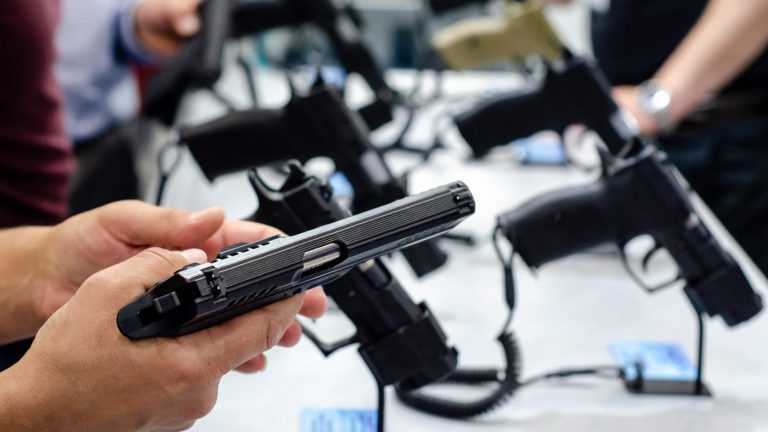
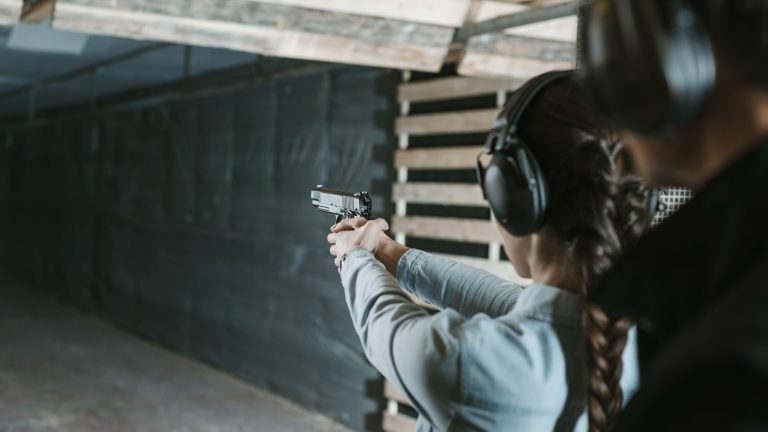
Personal protection and range use create further opportunities where products and ownership arrangements meet local requirements. Pistols, compatible holsters, sights, hearing protection, training ammunition and secure storage can form a complete retail offer. Dealers able to explain fit, compatibility and after-sales support give unfamiliar brands a better introduction than a product listing alone.
Defence and law enforcement demand
The Northeast’s professional market connects manufacturing with product development, training and support. SIG SAUER’s New Hampshire operations illustrate that relationship. The US Army awarded the company its Next Generation Squad Weapon production contract in 2022, and announced Type Classification–Standard approval for the M7 rifle and M250 automatic rifle in 2025. Those programmes reinforce the region’s connection to national procurement rather than simply local sales.
Associated opportunities extend to mounts, signature management, protective equipment and the systems carried by individual users. Wilcox Industries is based in Newington, New Hampshire, while Gentex’s Pennsylvania headquarters and Ops-Core helmet systems connect the region to soldier and police protection. Streamlight’s Eagleville, Pennsylvania, operation supplies lighting for law enforcement, military and other professional users, alongside outdoor customers.
These businesses demonstrate a market for equipment that works as part of a wider system. An optic must suit its mount, a helmet must accommodate communications and hearing protection, and a weapon light needs appropriate mounting and holster compatibility. Suppliers able to document those relationships can offer more than an isolated specification or a lower purchase price.
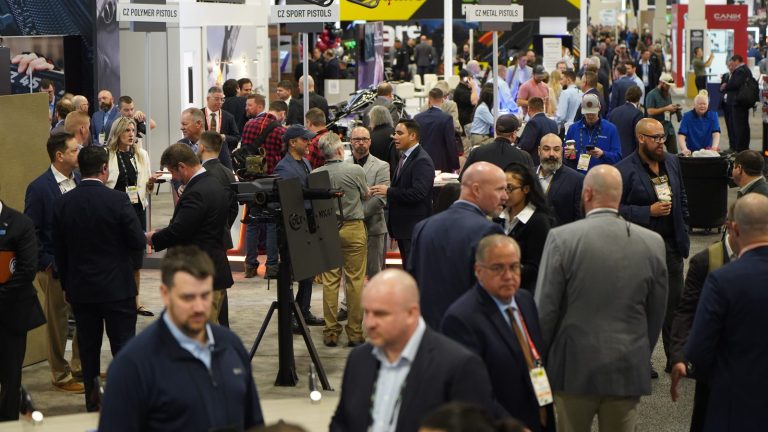
Professional procurement nevertheless requires qualification. Federal purchasing, state contracts and individual police-agency orders follow different routes. Domestic sourcing provisions can affect eligibility, particularly for military clothing and textiles, while technical testing, insurance, training and service arrangements influence buying decisions. Overseas companies should establish the applicable requirements before investing in a bid or appointing a representative.
Opportunities for international brands
The clearest opening is a product or capability that solves an identifiable problem for a regional partner. For manufacturers, this might mean precision components, specialist coatings, inspection equipment, automation or tooling. Colt’s published supplier resources explicitly address supply-chain relationships, illustrating that the industrial customer deserves as much attention as the finished-firearm buyer.
For retailers, the opportunity is often a complementary accessory with a clear margin and manageable support needs. Hearing protection, cases, cleaning systems, clothing, optics accessories and storage products can reach customers across several shooting activities. An importer should match products to actual dealer demand and avoid treating every hunting shop, tactical retailer and competition specialist as interchangeable.
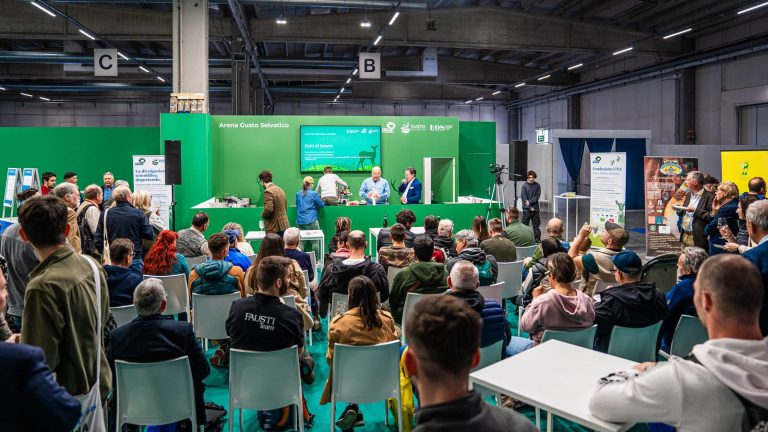
New York and New Jersey reward careful product selection and informed dealer relationships. Their customer bases should not be dismissed because some firearm categories are restricted. Pennsylvania offers a different route through hunting, independent dealers and outdoor events. Within New England, the manufacturing connections of Connecticut and Massachusetts sit alongside New Hampshire’s firearms operations and the outdoor markets of Maine and Vermont.
Partner selection should examine territory coverage, competing brands, stockholding and warranty capability. A distributor may sell nationally despite being based in the Northeast, while a strong local retailer may have little interest in importing. Establish who buys the product, who supports it and who introduces it to customers before discussing exclusivity. Samples and dealer training should follow that commercial plan.
Manufacturer in focus: SIG SAUER
SIG SAUER gives New Hampshire a firearms business with commercial, law-enforcement and military reach. Its headquarters is in Newington, with manufacturing, engineering, testing and training activities spread across several locations in the state. The company’s New Hampshire footprint also includes its Academy and Experience Center in Epping, linking products with instruction, demonstrations and direct customer engagement.
The portfolio spans familiar commercial pistols and rifles as well as military systems. The P365 and P320 pistol families create opportunities around compatible accessories, while the MCX family and military programmes involve different purchasing and support requirements. For potential partners, the important distinction is between supplying a major manufacturer and independently serving the customers who use its products.
SIG’s national footprint should not be confused with its northeastern operations. The company identifies ammunition production in Arkansas and electro-optics activities in Oregon. Its New Hampshire importance rests on firearms, engineering and associated capabilities.
Connecticut, Pennsylvania and Massachusetts manufacturing
Colt remains a significant Connecticut name. Its position within Colt CZ Group connects an American manufacturing business to an international firearms and ammunition organisation. Opportunities should be assessed at the relevant company and programme level, whether the requirement involves components, manufacturing services or distribution into an overseas territory.
Mossberg maintains a manufacturing presence in North Haven, Connecticut, alongside its operations in Eagle Pass, Texas, giving the Northeast a continuing role in the company’s production network.
Its range serves hunting, sporting, protection and professional customers. Accessories, replacement parts and support opportunities depend on the particular platform and channel rather than a general association with the Mossberg name.
Savage Arms adds a continuing production base in Westfield, Massachusetts, alongside its Canadian operation.
Its Model 110 range, AccuTrigger and other rifle families give retailers products around which to build hunting and precision-shooting offers. For international partners, the commercial questions include local representation, suitable configurations, technical information and the availability of service parts.
The Kahr Firearms Group is headquartered in Pennsylvania, whilst the NSSF calls Connecticut home.
Distribution and component specialists
Regional routes to market deserve their own attention. Camfour supplies licensed dealers with firearms, ammunition and related products, bringing together established US and imported brands. Its dealer offer includes exclusive configurations as well as standard catalogue lines. For a prospective supplier, that illustrates the importance of explaining where a new product fits within an already extensive wholesale range.
AmChar Wholesale identifies Rochester, New York, as one of its operating locations and serves both licensed stocking dealers and law-enforcement customers. Its professional range extends beyond firearms to ammunition and duty equipment.
A business of this type can connect a supplier to several customer groups, but an overseas manufacturer still needs to establish the appropriate product category, territory and commercial terms directly.