Spotlight on handguns: inside the global handgun market
The handgun market is led by semi-automatic pistols but remains broad enough to include revolvers, competition models, rimfire trainers and duty-focused platforms.

For the trade, product choice increasingly depends on fit, intended use, compliance and the service that supports the firearm after the sale.
Handguns remain the highest-volume firearm category in the United States, but that description hides a market with distinct buyers, regulations and retail requirements. ATF manufacturing data for 2024 recorded more than 4 million pistols and about 640,000 revolvers manufactured in the country. Pistols chambered for 9mm accounted for the largest single calibre group. Those figures reflect the scale of the category, not a single customer or product cycle.
The market ranges from compact pistols chosen for lawful personal protection to full-size models for duty, training and competition, alongside rimfire handguns, classic hammer-fired designs and revolvers. Each brings different expectations around size, controls, capacity, sights, holsters, ammunition and ongoing support. A retailer or distributor that treats them as one interchangeable category risks holding the wrong stock or overlooking the service that builds repeat business.
A platform for every purpose
Polymer-frame, striker-fired pistols set the commercial baseline in much of the modern market. Their appeal is practical: broadly familiar controls, durable construction and a wide choice of sizes and configurations. Full-size and compact models serve different customer needs, while the smallest pistols prioritise discretion and portability. The trade challenge is to explain the purpose of each platform without reducing the decision to price, capacity or a headline feature.
Hammer-fired semi-automatic pistols continue to matter because many customers value their trigger systems, metal frames, handling characteristics or established operating formats. They are important in competition, enthusiast and duty segments, but also in markets where a long-established platform carries brand recognition and aftermarket support. The same is true of 1911-pattern pistols and other heritage designs: they are mature platforms, yet manufacturers continue to refine materials, coatings, sights and production methods.
Revolvers retain a clear place in the market. Compact models appeal to buyers seeking a simple manual of arms, while larger-frame options remain relevant for sporting use, hunting where permitted and collectors. Their commercial strength is not volume alone. A well-supported revolver range gives dealers access to customers who prioritise different qualities from those shopping for a contemporary semi-automatic pistol.
Rimfire handguns are another important bridge between the range, training and recreational shooting. Their lower ammunition cost can encourage regular practice, and their controls may mirror centrefire models in some product families. For retailers, that creates a useful opportunity to connect a first purchase, a range visit and an eventual move into a more specialised firearm without treating each sale as an isolated transaction.
Innovation is about the complete system
Product development in handguns is increasingly about interfaces and refinement rather than a single dramatic mechanical breakthrough. Optics-ready slides, improved sighting systems, modular grip options, accessory mounting points and suppressor-compatible configurations have broadened the choices available to buyers. These features matter only when they are well integrated, clearly described and supported by compatible products.
The optic is a good example. A slide cut may look like a simple specification, but it raises questions around footprint compatibility, sight height, mounting hardware and after-sales support. The same applies to lights, holsters, magazines and spare parts. A handgun purchase often begins a system purchase, and a dealer who can explain the ecosystem helps the customer make an informed choice while protecting the reputation of the manufacturer and retailer.
Reliability, fit and controllability remain more important than novelty. Grip circumference, reach to the trigger, balance, recoil characteristics and the clarity of the sights affect whether a shooter can use a handgun confidently. These are individual considerations, which is why range access, trained staff and responsible handling instruction remain valuable parts of the retail proposition. A feature-rich product that does not suit the customer is not a successful sale.
Manufacturers are also judged by the unglamorous details: consistent quality control, accessible technical information, availability of magazines and replacement parts, and prompt warranty service. In international markets, these factors are amplified by import arrangements, local proof requirements, rules on capacity or configuration, and the cost of moving products for repair. A strong launch cannot compensate for weak support once a product is in the field.
The retailer sells confidence
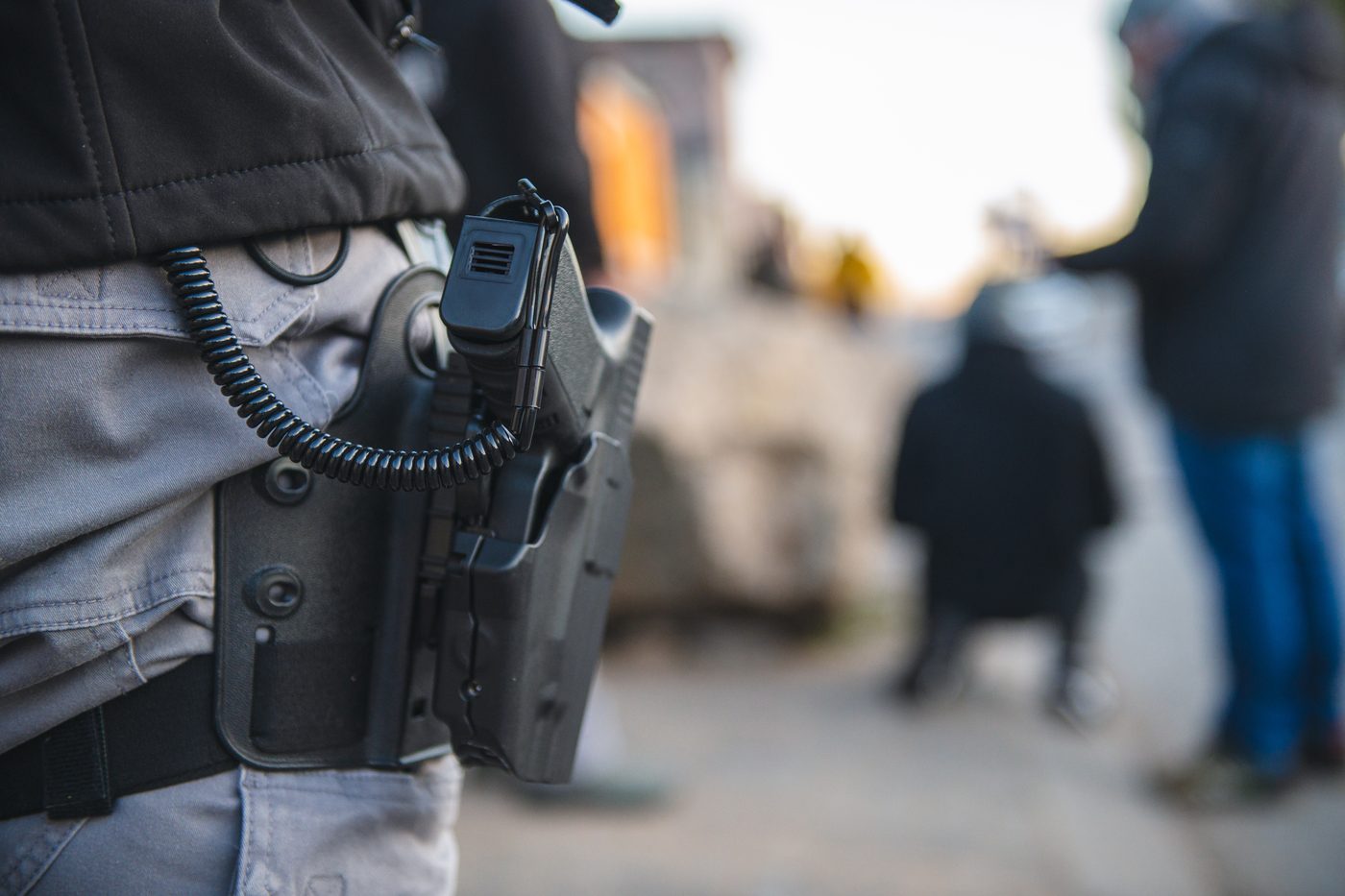
For many buyers, a handgun is a purchase that demands more guidance than an online specification can provide. The first conversation should establish the lawful intended use, the customer’s experience, local requirements and the support available after the sale. It should also make clear that safe storage, responsible handling and training are part of ownership. That is sound customer service as well as sound business practice.
Inventory planning should reflect local demand rather than a national launch calendar alone. A store serving concealed-carry customers may need a different mix from one with a large competition, training or hunting audience. Accessories should be planned alongside the firearm: appropriate storage options, holsters where lawful and suitable, magazines, sights and range supplies can contribute meaningfully to the overall sale. Stocking depth matters, but so does the ability to reorder quickly.
Compliance is inseparable from the category. Federal, state and local rules in the United States can differ significantly, while export markets bring their own licensing, proof, import and product restrictions. Retailers and distributors need reliable processes for recordkeeping, transfers, age requirements and sales restrictions. Clear manufacturer documentation and distributor communication help prevent a product designed for one market from being presented incorrectly in another.
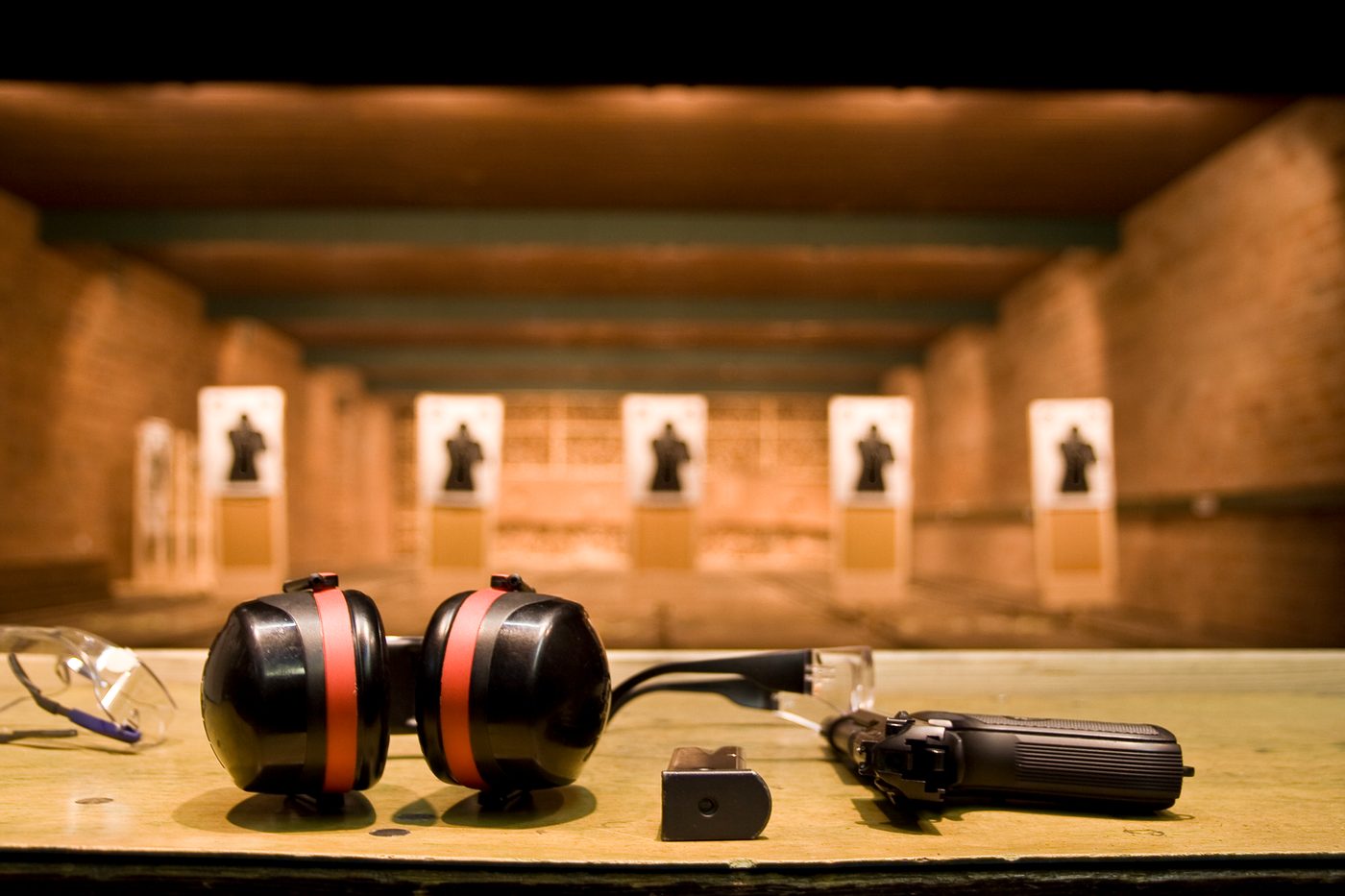
The physical retail experience remains important. Product handling within applicable rules, knowledgeable staff, links to local ranges and an honest explanation of a model’s limits can turn a one-off sale into a relationship. For manufacturers, that makes dealer education and accurate point-of-sale material commercially valuable. The strongest retail partners are not simply order takers; they help customers navigate a complex category safely and lawfully.
Handgun market outlook
The near-term market requires disciplined planning. NSSF-reported retail data showed new firearm unit sales declined in 2025, although semi-automatic handguns remained the highest-volume category. In a more selective environment, a new handgun must offer a credible reason to exist: a useful size or configuration, better ergonomics, a clearer role, dependable support or a convincing value proposition. Cosmetic variations alone are unlikely to sustain demand.
The middle of the market is particularly competitive. Premium products must justify their position through materials, manufacturing quality, accuracy, durability or a well-supported feature set. Entry-level products must be reliable, understandable and complete enough to give new customers a positive first experience. Across both segments, availability of magazines, sights, holsters and service parts can matter as much as the specification sheet.
Product planning also benefits from a clear view of where each model sits in a range. Closely related variants can create useful price steps, but only if staff and customers can understand the difference between them. A compact model, a full-size counterpart and a competition-oriented version may share a platform while serving different needs. Clear naming, consistent technical data and reliable supply help the trade turn that breadth into a coherent assortment.
International opportunity will continue to depend on more than engineering. Manufacturers must understand local rules, distribution capability, training culture and the practical costs of service. Dealers need product information that distinguishes intended uses without overpromising, while customers need a clear route to safe handling, range time and ongoing support. The most durable handgun businesses will connect product development with those realities, building loyalty through confidence rather than complexity.