Archery
The complete compound bow
The modern compound bow is no longer simply a riser, limbs and cams. It is an integrated platform whose accessories, fitting and service determine the final shooting experience.
Designed as a complete system
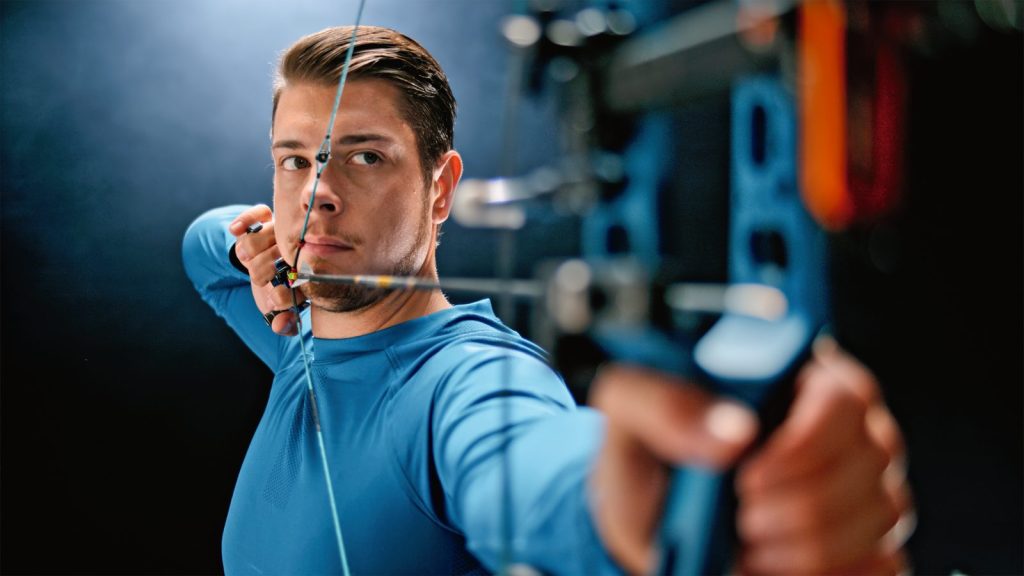
A compound bow was once commonly sold as a basic platform, with the rest, sight, stabiliser and release treated as separate decisions. That logic is changing. Manufacturers increasingly design their flagship hunting and target bows around dedicated mounting systems, low-profile rests and stabilisers that sit closer to the riser. The result is a cleaner, more coherent package – but one that needs careful specification.
Mathews’ 2026 ARC shows the direction of travel. Its Bridge-Lock mounting system accepts an angled stabiliser and integrated V-bar, while its riser incorporates a dedicated rest interface. Hoyt’s current Concept XTS target range makes a parallel case for purpose-built geometry, offering 34-, 37- and 40-inch models for different draw lengths and competition preferences. The common point is that the bow is being sold as the centre of a system, not a stand-alone object.
Fit still comes before specification
The first decision should not be colour, speed or a social-media launch film. It should be fit. Draw length, draw weight, holding weight, axle-to-axle length, brace height and intended use all affect whether a bow will be comfortable and repeatable. A compact hunting bow may be ideal in a blind or woodland, while a longer target model offers a more stable sight picture and a different balance at full draw.
Modern cam systems offer broad adjustment, but that does not make them universal. A bow should be set to the archer’s real draw length rather than an aspirational number, and draw weight should allow consistent practice with sound form. Let-off reduces holding weight at full draw, yet does not eliminate the need to control the bow through the shot. Good fitting makes a bow easier to learn, safer to operate and more enjoyable to keep using.
The trade-off between speed and forgiveness also deserves plain explanation. Quoted IBO figures are measured under a defined test standard and do not represent every archer’s finished set-up. Arrow mass, draw length, draw weight, peep, accessories and tuning all affect real results. A practical bow package should therefore be judged by accuracy, consistency and handling rather than one number on a specification sheet.
The sale is bigger than the bow
For retailers, a compound-bow sale should open a complete system conversation. The rest, sight, release aid, arrows, stabiliser, quiver and case must work together and suit the intended discipline. Arrow selection is particularly important: spine, point weight, shaft diameter, nock fit and vane choice affect tune and arrow flight. A premium bow cannot compensate for arrows selected only by price or nominal draw weight.
This creates a clear role for knowledgeable dealers. The customer may arrive asking for a fashionable flagship bow, but the better discussion starts with use: hunting, target competition, 3D, field, club practice or a first introduction to the sport. From there, a dealer can set draw length and weight, choose compatible accessories, build arrows and establish a reliable baseline tune. Each element is part of the purchase; none should be an afterthought.
Clarity also protects trust. An integrated sight or rest mount does not mean every accessory fits, and a package bow does not remove the need for a safety check and a proper handover. Strings and cables must be inspected, timing and synchronisation verified where relevant, and the archer shown how to use a release aid and draw the bow safely. The Archery Trade Association’s bow-technician certification recognises the value of trained compound-bow service.
What comes next
Expect integration to spread beyond premium bows. Purpose-made mounts, simplified adjustment and more capable entry packages can make compound archery less intimidating, provided that compatibility remains clear. Manufacturers that publish usable draw-length ranges, draw-weight options, physical weight and accessory interfaces give the trade more to work with than those relying on a single headline speed figure.
The opportunity is not simply to sell more accessories. It is to recognise that compound archers judge the bow as they will shoot it: set to their draw length, fitted with arrows and sight, and supported by someone who can maintain it. The strongest products will combine sensible engineering with honest specifications and informed service at the counter.
Related articles
Meet the VLAD, Ek Archery’s new subcompact crossbow – A compact crossbow from the Netherlands-based archery maker.
Ek Archery’s development of crossbows for women – How one maker approached crossbow design for women.
TenPoint Crossbows promotes Phil Bednar to president & CEO and Steve Bednar to executive vice president & COO – Leadership changes at the US crossbow maker.