Rifles
Built around the moderator: the rise of the suppressor-ready hunting rifle
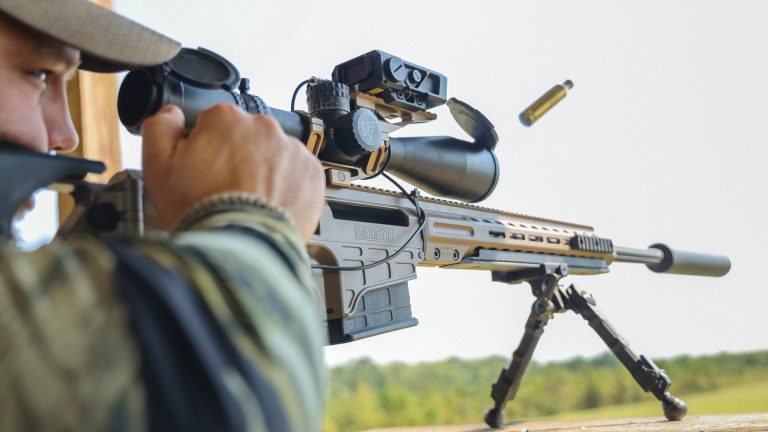
The moderator is no longer an afterthought. Today’s short-barrel hunting rifles are being designed, balanced and sold as complete shooting systems.
A rifle designed as a system
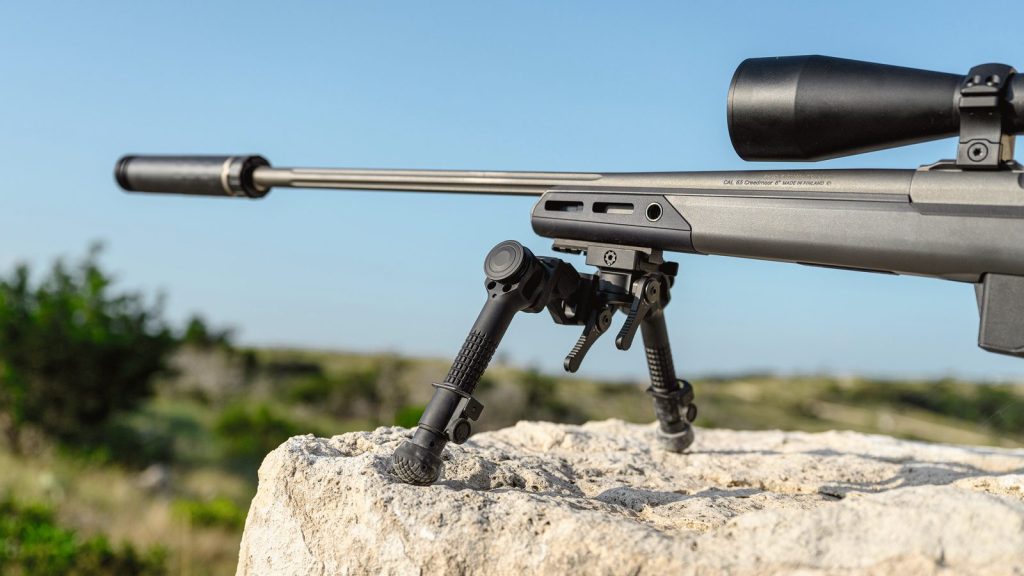
A threaded muzzle was treated as an extra: a feature added to a conventional rifle. In 2026, that logic is reversing. More manufacturers are designing hunting rifles around the assumption that a moderator may be fitted. The result is a specification for the catalogue. It changes barrel length, contour, stock geometry and balance.
That makes the suppressor-ready hunting rifle one of the most relevant equipment stories in the category. NSSF describes growth in suppressor ownership as a market trend, while its 2025 study found that sound reduction and multi-calibre use ranked highly. The picture is not a straight line: RetailBI recorded a 19.3% fall in US same-store suppressor unit sales during 2025 after an exceptional 2024, attributing much of the movement to approval times and buyers delaying purchases ahead of a tax change. Demand can be powerful but policy-sensitive.
Shorter barrels change the equation
The most visible response is the short-barrel hunting rifle. A conventional 24- or 26-inch barrel can become cumbersome once a moderator adds several more inches at the muzzle. Cutting the barrel back restores a practical overall length and brings the rifle’s centre of gravity closer to the shooter. That matters in woodland, from vehicles, in high seats and whenever the rifle must be carried more than it is fired.
Browning’s X-Bolt 2 Speed SPR illustrates the approach. Depending on calibre, the model uses 18-, 20- or 22-inch barrels with 5/8×24 muzzle threading. Henry’s new Protector Carbines take a similar idea into the lever-action field, combining compact barrels with threaded muzzles. These are different rifles for different customers, yet both show the same design direction: the moderator is influencing the host rifle, rather than being treated as an afterthought.
There are trade-offs. Shortening a barrel can reduce velocity, increase muzzle pressure and alter the character of a cartridge. The effect varies by chambering, ammunition and barrel length, so a compact rifle should not be presented as a free performance upgrade. For many hunters, however, the handling advantage of a balanced moderated rifle is more valuable than extracting every last foot per second. The strongest products make that compromise explicit and proportionate.
The sale is bigger than the rifle
For retailers, “suppressor-ready” should open a system conversation. Thread pattern and shoulder geometry must suit the intended mounting arrangement. Barrel contour affects stiffness and weight. The moderator’s mass changes balance, while stock dimensions and optic position determine whether the finished package still mounts naturally. Ammunition choice may also influence the customer’s experience, especially where a shorter barrel produces different velocity or blast from the load previously used.
This creates a valuable role for knowledgeable dealers. A customer may arrive asking for a fashionable short rifle, but the better discussion starts with use: woodland or open hill, walking or static, frequency of firing, preferred calibre, expected range and local legal requirements. From there, the dealer can assemble a coherent package of rifle, lawful sound moderator, mounting components, optic, ammunition and suitable transport or storage equipment. Each element must be compatible; none should be assumed merely because the muzzle is threaded.
Clarity also protects trust. ‘Suppressor-ready’ does not mean a moderator is supplied, nor does it guarantee that every device will fit safely or perform well. Thread specifications should be confirmed from the manufacturer, and fitting or inspection should be handled by an appropriately qualified professional where required. Laws governing moderators differ sharply between markets, so sales material and advice must reflect the customer’s jurisdiction rather than an international headline.
What comes next
Expect the trend to spread beyond premium bolt-actions. Compact lever-actions already broaden the audience, while adjustable stocks, lighter moderators and purpose-built factory packages will make the complete system easier to understand. Manufacturers that communicate total length, bare and moderated balance, threading, weight and calibre-specific barrel choices will give the trade more useful information than those relying on a single “ready” badge.
The opportunity is therefore less about chasing one accessory boom than recognising a design shift. Hunters increasingly judge the rifle as they will actually carry it: scoped, loaded and, where lawful, moderated. Rifles conceived in that final configuration can offer better handling and a more convincing ownership experience. For the trade, the winners will be products supported by precise specifications, realistic performance claims and informed service at the counter.
Related articles
Silence is a source of great strength – Blaser’s range of suppressors for hunters.
AAC announces relaunch of renowned suppressor brand – Advanced Armament Corporation restructures its suppressor business.
Blaser announces R8 Ultimate X – The selling points of Blaser’s latest straight-pull.